PARAMRSHNITI

Articles & Insights

Knowledge Hub

Explore Our Latest Writings

In-depth articles, research papers, and thought pieces on policy, governance, community development, and national affairs.

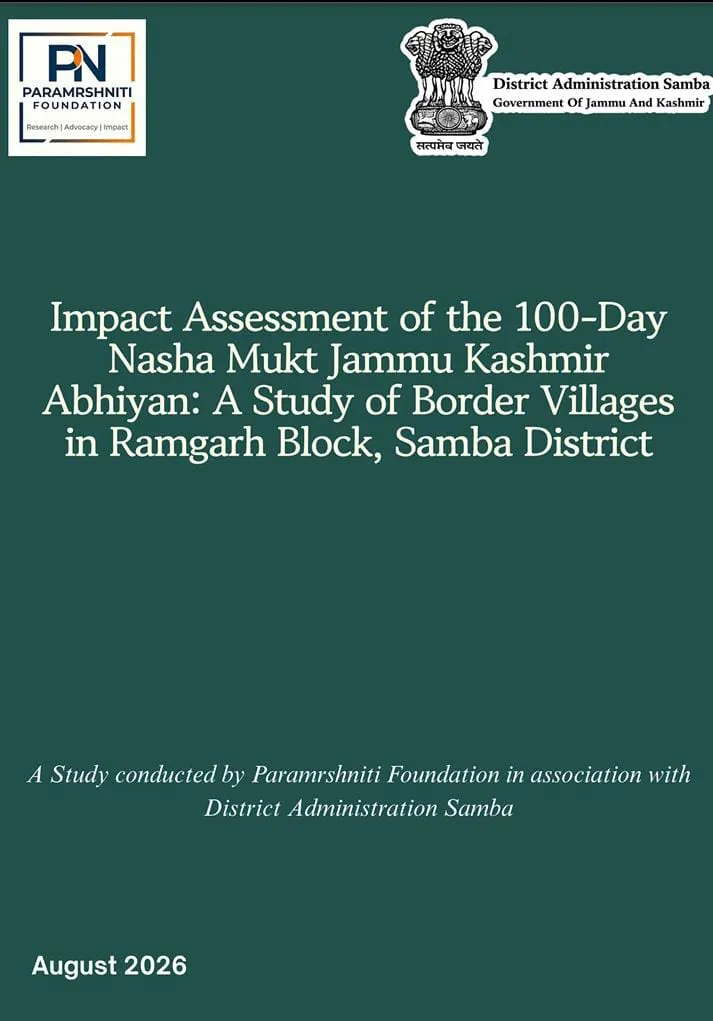
Impact Assessment of the 100-Day Nasha Mukt Jammu Kashmir Abhiyan: A Study of Border Villages in Ramgarh Block, Samba District Reports
Sep 01, 2026 2 min read

Impact Assessment of the 100-Day Nasha Mukt Jammu Kashmir Abhiyan: A Study of Border Villages in Ramgarh Block, Samba District

The 100-Day Nasha Mukt Jammu Kashmir Abhiyan, launched by the Government of Jammu and Kashmir on 11 April 2026, was a time-bound public awareness and community mobilisation campaign aimed at addressing the growing challenge of substance abuse across the Union Territory. The campaign sought to strengthen preventive efforts through coordinated action involving government departments, educational institutions, healthcare agencies, lawenforcement authorities, civil society organisations, and local communities. In Samba district, the campaign was implemented through coordinated efforts involving the District Administration, educational institutions, healthcare agencies, lawenforcement authorities, civil society organisations, community representatives, and volunteers. As part of this initiative, PARAMRSHNITI FOUNDATION, under the guidance of the District Administration, Samba, supported the implementation of awareness and outreach activities in educational institutions and local communities. These activities included awareness lectures, interactive sessions, poster-making, quiz competitions, anti-drug pledge ceremonies, community outreach programmes, and village-level awareness campaigns. The interventions were intended to educate citizens about the harmful consequences of substance abuse, promote healthy lifestyle choices, encourage community responsibility, and strengthen public participation in drug-prevention efforts. The present report assesses the implementation, reach, and perceived outcomes of the 100-Day Nasha Mukt Jammu Kashmir Abhiyan in selected border areas of Samba district. It examines public awareness, campaign participation, community perceptions, attitudes towards substance abuse prevention, and views regarding the sustainability of future interventions. The report also documents field-visit experience with identifying major community concerns, and have presented policy recommendations for strengthening future anti-drug initiatives.
Siddharth Mahajan & Arpit Nagra
Read
सिंधु महाकुंभ: भारत की सभ्यतागत नदी से पुनः जुड़ने का महाअभियान Opinion
Jun 17, 2026 1 min read

सिंधु महाकुंभ: भारत की सभ्यतागत नदी से पुनः जुड़ने का महाअभियान

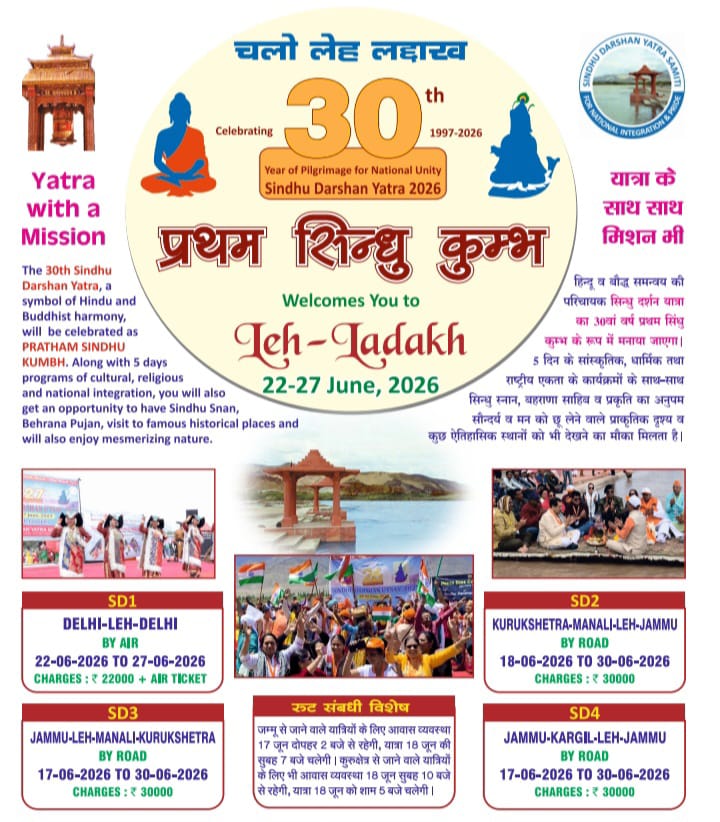
विश्व में बहुत कम ऐसे राष्ट्र हैं जिनकी सांस्कृतिक निरंतरता भारत जितनी प्राचीन और जीवंत रही हो। सहस्राब्दियों से नदियाँ केवल भौगोलिक इकाइयाँ नहीं रहीं, बल्कि उन्होंने सभ्यताओं को जन्म दिया, दर्शन को आकार दिया और सामूहिक पहचान का निर्माण किया। ऐसी ही नदियों में सिंधु नदी का स्थान सर्वोपरि है। वेदों में जिसकी स्तुति की गई, जिसने इतिहास को दिशा दी और जिसने भारत को उसका नाम प्रदान किया, वह सिंधु आज भी भारतीय सभ्यता की जीवित प्रतीक है। इसी ऐतिहासिक और सांस्कृतिक चेतना को पुनर्जीवित करने के उद्देश्य से सिंधु महाकुंभ का आयोजन किया जा रहा है। कुंभ की परंपरा की जड़ें अत्यंत प्राचीन हैं। समुद्र मंथन की कथा के अनुसार अमृत कलश से गिरी बूंदों ने जिन स्थानों को पवित्र बनाया, वहीं आगे चलकर कुंभ मेलों की परंपरा विकसित हुई। समय के साथ कुंभ केवल धार्मिक आयोजन न रहकर भारत की सांस्कृतिक विविधता, आध्यात्मिक एकता और सभ्यतागत निरंतरता का उत्सव बन गया। करोड़ों श्रद्धालुओं को एक सूत्र में पिरोने वाली यह परंपरा मानव इतिहास के सबसे बड़े शांतिपूर्ण जनसमागमों में से एक है। सिंधु नदी भारत की राष्ट्रीय चेतना में विशेष स्थान रखती है। ऋग्वेद में इसे नदियों में सर्वश्रेष्ठ और सबसे महिमामयी बताया गया है। वैदिक ऋषियों के लिए सिंधु केवल जलधारा नहीं थी, बल्कि श्रद्धा, समृद्धि और जीवन का स्रोत थी। इसके तटों पर बसावटें विकसित हुईं, व्यापार फला-फूला और संस्कृतियों का विकास हुआ। ‘सिंधु’ शब्द से ही ‘हिंद’ और ‘हिंदुस्तान’ जैसे शब्दों का उद्भव हुआ, जिससे इसकी ऐतिहासिक महत्ता स्पष्ट होती है। वर्ष 1947 के विभाजन ने इस सांस्कृतिक संबंध को गहरा आघात पहुँचाया। सिंधु नदी का अधिकांश भाग भारत से बाहर चला गया और करोड़ों भारतीयों का इस पावन धारा से प्रत्यक्ष संबंध टूट गया। किंतु भौगोलिक दूरी के बावजूद भारतीय जनमानस में सिंधु के प्रति श्रद्धा और भावनात्मक जुड़ाव बना रहा। इसी विरासत को पुनर्जीवित करने की दिशा में पूर्व उपप्रधानमंत्री और प्रख्यात नेता श्री लालकृष्ण आडवाणी द्वारा प्रारंभ किया गया *सिंधु दर्शन अभियान* एक महत्वपूर्ण पहल सिद्ध हुआ। इस आंदोलन ने देश को उसकी सांस्कृतिक जड़ों से जोड़ने और सिंधु के प्रति जनचेतना जागृत करने का कार्य किया। इसके माध्यम से यह संदेश दिया गया कि भौगोलिक सीमाएँ बदल सकती हैं, परंतु सांस्कृतिक स्मृतियाँ और सभ्यतागत संबंध नहीं टूटते। समय के साथ सिंधु दर्शन एक व्यापक सांस्कृतिक आयोजन के रूप में विकसित हुआ, जिसमें संत, विद्वान, कलाकार, सैनिक, नीति-निर्माता और देशभर से आए नागरिक सहभागी बनने लगे। इस आयोजन का प्रमुख केंद्र लद्दाख बना, जहाँ सिंधु आज भी भारतीय भूभाग में प्रवाहित होती है। यहाँ आने वाले श्रद्धालु विभिन्न नदियों का जल साथ लाकर सिंधु में अर्पित करते हैं, जो भारत की सांस्कृतिक एकता और राष्ट्रीय एकात्मता का प्रतीक है। सिंधु महाकुंभ ने लद्दाख के सामाजिक और आर्थिक विकास में भी महत्वपूर्ण भूमिका निभाई है। पर्यटन को बढ़ावा मिला, स्थानीय हस्तशिल्प और पारंपरिक उत्पादों को नया बाजार मिला तथा युवाओं के लिए रोजगार और उद्यमिता के अवसर बढ़े। इससे क्षेत्र की सांस्कृतिक पहचान को संरक्षण मिला और स्थानीय समुदायों को नई ऊर्जा प्राप्त हुई।यह आयोजन केवल धार्मिक या सांस्कृतिक कार्यक्रम नहीं है, बल्कि राष्ट्रीय एकता का भी सशक्त माध्यम है। देश के विभिन्न भागों से आने वाले लोग यहाँ मिलकर यह अनुभव करते हैं कि भारत की विविधता का आधार उसकी साझा सभ्यतागत विरासत है। विद्वानों के व्याख्यान, सांस्कृतिक प्रस्तुतियाँ, आध्यात्मिक संवाद और सामुदायिक सहभागिता इस आयोजन को विशेष बनाते हैं। वर्ष 2026 में सिंधु महाकुंभ का आयोजन विशेष महत्व रखता है। यह आयोजन सिंधु दर्शन आंदोलन के 30 वर्ष पूर्ण होने के अवसर पर आयोजित किया जा रहा है। लद्दाख में होने वाले इस महोत्सव में देश-विदेश से हजारों श्रद्धालु, संत, विद्वान, कलाकार, युवा और पर्यटक भाग लेंगे। सांस्कृतिक कार्यक्रमों, आध्यात्मिक प्रवचनों, शैक्षणिक विमर्शों और अंतर-सांस्कृतिक संवादों के माध्यम से सिंधु नदी की ऐतिहासिक, सांस्कृतिक और राष्ट्रीय महत्ता को पुनः रेखांकित किया जाएगा। आज जब भारत अपनी सभ्यतागत पहचान को नए आत्मविश्वास के साथ पुनर्स्थापित कर रहा है, तब सिंधु महाकुंभ केवल अतीत का स्मरण नहीं, बल्कि भविष्य के लिए एक प्रेरक संकल्प है। यह हमें याद दिलाता है कि सिंधु केवल एक नदी नहीं, बल्कि भारत की आत्मा, उसकी स्मृति और उसकी सांस्कृतिक चेतना का शाश्वत प्रवाह है। सिंधु महाकुंभ इसी अमर विरासत का उत्सव है, जो वर्तमान पीढ़ी को अपनी जड़ों से जोड़ते हुए आने वाली पीढ़ियों के लिए सांस्कृतिक गौरव का मार्ग प्रशस्त करता है। — लेखक केंद्रीय विश्वविद्यालय जम्मू में पीएच.डी. शोधार्थी हैं।

Mohan Singh Dhanger
Read
Why Are We This Way: A Guide to Hindu Shastras By  Ami Ganatra Book Review
Jun 14, 2026 3 min read

Why Are We This Way: A Guide to Hindu Shastras By Ami Ganatra

Language:ENGLISH Format: PAPERBACK Pages: 304 pages ISBN-13: 9789365478440 Publisher: Occam The book serves as an insightful primer for those unfamiliar with the foundations of Hindu civilisation, covering its rich traditions, rituals, philosophy, and the meanings behind mantras. Titled "Why Are We This Way," it offers a comprehensive introduction to the essential concepts of Shruti and Smriti literature within Hindu scriptures. The author skillfully summarises each chapter in a tabular format, enhancing comprehension and making the information more accessible. The author explained the important Vedic worldview of Rna, Varna & Ashrama, & Four fold foundational aims of Life, i.e., Dharma, Artha, Kama, Moksha in the beginning. The main focus of the book is to explain the Rigveda, Yajurveda, Samaveda, and Atharvaveda as part of Shruti Literature, along with the Vedangas, Upavedas, Darshanas, Dharmashastras, Itihasa, Puranas, and Agamas under Smriti Literature. One of the notable features of the book is the author's thorough examination of various Dharma Shastras, including Manusmriti, Yajnavalkya Smriti, and Parashara Smriti. By exploring crucial topics such as property inheritance and women's rights within these texts, the author elucidates their significance in a manner that is easy for a layperson to grasp. Furthermore, the book integrates intriguing factoids on anekantavada in Jainism, as well as a concise explanation of the six main Pramanas in Indian philosophy, complete with relatable examples. This inclusion makes the book a valuable reference for anyone new to the intricate Indian Knowledge System. The storytelling aspect of the book is particularly engaging, featuring notable historical events such as the Great Debate between Adi Shankara and the Mimamsaka Mandapa Mishra. The author also delves into select verses from the Aitareya Brahmana, enriching the chapters with profound insights. In addition, the book provides a clear explanation of ancient Vedic rituals, including the Panigrahana ceremony traditionally observed in marriages.The author aptly highlights the Itihasas—specifically the Ramayana and Mahabharata—as case studies that exemplify life's complexities and the concept of Dharma. By drawing parallels to contemporary challenges and the moral lessons derived from these epic narratives, readers are encouraged to reflect on their own lives. Through this book and her previous works, "Mahabharata Unravelled" and "Ramayana Unravelled," the author is dedicated to guiding a broad audience, particularly those who have not previously engaged with primary Hindu texts or who may have been exposed to misconstrued or Westernised interpretations of ancient Hindu literature. Her efforts make this book an essential resource for anyone seeking a deeper understanding of Hindu culture and philosophy.

Shivendra Shandilya
Read